


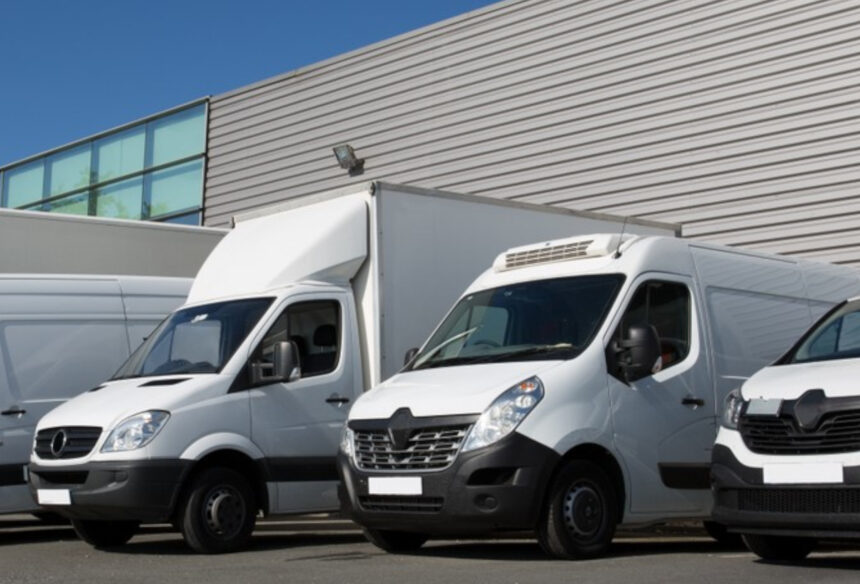
If you manage a fleet of vehicles, you already know that the insurance landscape has shifted dramatically over the last twenty-four months. The days of simply renewing your policy with a quick phone call are over. As we head into late 2025 and look toward 2026, fleet managers and business owners face a complex market defined by “social inflation,” rising vehicle repair costs, and a radical technological transformation.
- The State of the Commercial Auto Market in 2025
- Step-by-Step: How to Gather and Compare Quotes
- Step 1: Standardize Your Submission Data
- Step 2: Define Your Coverage Needs Explicitly
- Step 3: Analyze the “Subjectivities”
- Key Factors Influencing Your Fleet Rates
- The Role of Technology: Telematics and AI Dashcams
- Coverage Types Explained: A Deep Dive
- Bodily Injury and Property Damage Liability
- Medical Payments (MedPay) and PIP
- Hired and Non-Owned Auto Liability
- Motor Truck Cargo Insurance
- Specialized Considerations for 2025: EV Fleets
- How to Vet the Insurance Carrier
- Actionable Tips to Lower Your Premiums
- Conclusion
Finding the right commercial auto insurance is no longer just about compliance. It is a critical financial strategy. Whether you operate a small fleet of five delivery vans or a massive logistics operation with fifty tractor-trailers, the difference between a mediocre policy and a great one can amount to tens of thousands of dollars in annual savings.
This guide provides a deep dive into how to effectively compare commercial auto insurance quotes in the current market. We will strip away the jargon and focus on the actionable steps, cost factors, and coverage details that will secure your assets without draining your operating budget.
The State of the Commercial Auto Market in 2025
Before you begin soliciting quotes, you must understand the forces driving premiums today. In 2025, we are seeing a stabilization in general rates, but costs for specific sectors remain high. Understanding these drivers helps you negotiate better terms with underwriters.
1. Social Inflation and Nuclear Verdicts
The term “social inflation” refers to the rising costs of insurance claims resulting from increased litigation and larger jury awards. In 2025, we continue to see what the industry calls “nuclear verdicts” where juries award settlements in excess of $10 million for commercial fleet accidents. Insurers are reacting by tightening their underwriting guidelines for liability coverage. They are looking for fleets that demonstrate impeccable safety cultures to mitigate this risk.
2. Vehicle Repair Severity
Frequency of accidents may be stabilizing, but severity is up. Modern commercial vehicles are equipped with Advanced Driver Assistance Systems (ADAS). A minor fender bender that used to cost $500 to repair now involves recalibrating sensors and replacing cameras, driving the cost up to $3,000 or more. Supply chain lags for parts also extend the time a vehicle is off the road, increasing business interruption claims.
3. The Telematics Revolution
Data is the new currency. Insurers in 2025 are aggressively pushing for telematics usage. Carriers are moving away from proxy scores (like credit history) and toward actual driving data. If your fleet does not use Electronic Logging Devices (ELDs) or AI-powered dashcams, you may be paying a premium for the uncertainty you present to the insurer.
Step-by-Step: How to Gather and Compare Quotes
Comparing quotes is not an apples-to-apples process unless you control the variables. If you simply ask three brokers for a price, you will get three policies with vastly different exclusions and limits. Follow this structured approach to ensure you are comparing valid options.
Step 1: Standardize Your Submission Data
Underwriters love “clean” submissions. A messy application signals a messy operation. Before you contact an agent, compile the following data into a professional package.
- Vehicle Schedule: An Excel sheet listing every vehicle’s Year, Make, Model, VIN, and current value. For heavy trucks, include the Gross Vehicle Weight (GVW).
- Driver Schedule: A list of all drivers including their full names, dates of birth, license numbers, and years of experience.
- Loss Runs: This is critical. You must provide “currently valued loss runs” for the past three to five years. This is the official report from your current insurer detailing every claim you have filed. If you have a clean record, this is your biggest bargaining chip.
- Safety Manual: A copy of your company’s fleet safety policy. This proves to the underwriter that you actively manage risk.
Step 2: Define Your Coverage Needs Explicitly
When you request a quote, specify exactly what limits you need so every carrier quotes the same coverage.
- Liability Limits: For commercial trucks, the federal minimum might be $750,000, but most shippers and contracts in 2025 require at least $1,000,000 in Combined Single Limit (CSL) coverage.
- Physical Damage: Decide on your deductibles. Raising your deductible from $1,000 to $2,500 can significantly lower your premium.
- Cargo Coverage: If you haul goods for others, specify the cargo limit (e.g., $100,000) and ask for “Reefer Breakdown” coverage if you haul refrigerated goods.
Step 3: Analyze the “Subjectivities”
When you receive a quote proposal, do not just look at the bottom-line price. Look for a section called “Subjectivities” or “Conditions.” A cheap quote might require you to install specific telematics devices at your own expense or exclude drivers under the age of 25. These hidden costs can make a low premium much more expensive in reality.
Key Factors Influencing Your Fleet Rates
To lower your costs, you need to understand what specific variables the algorithms are weighing heavily this year.
Vehicle Classification and Radius
The distance your vehicles travel matters immensely.
- Local Radius: Vehicles that stay within 50 miles of their garage address.
- Intermediate Radius: Vehicles traveling between 50 and 200 miles.
- Long Haul: Vehicles traveling over 200 miles.Long-haul operations face the highest premiums due to highway exposure and driver fatigue risks. If your business model has changed and you are driving fewer miles, ensure your agent updates this classification.
Cargo and Commodities
What you haul determines your risk profile. Hauling hazardous materials (HazMat) will always command the highest premiums. However, even general freight classifications have changed. In 2025, hauling high-value electronics or pharmaceuticals is considered higher risk due to the increasing sophistication of cargo theft rings. Ensure your commodities are listed accurately. If you seek a quote for “General Freight” but actually haul “Building Materials,” you could face a claim denial later.
Driver Motor Vehicle Records (MVRs)
Your drivers are your biggest liability and your biggest asset. Insurers will pull MVRs for every driver.
- Major Violations: DUIs or reckless driving charges often result in an immediate exclusion of that driver.
- Minor Violations: Speeding tickets or moving violations increase the “driver points” on your policy.
- Strategy: Implement a strict hiring policy. If you hire a driver with a borderline record, be prepared for your premium to spike.
The Role of Technology: Telematics and AI Dashcams
This is the most significant opportunity for cost reduction in 2025. Commercial auto insurance carriers are offering substantial discounts—sometimes up to 15% or 20%—for fleets that agree to share data.
Usage-Based Insurance (UBI) for Fleets
UBI programs track hard braking, rapid acceleration, cornering speed, and time of day. If your fleet operates primarily during daylight hours and drives conservatively, you can prove to the insurer that you are a lower risk than the industry average.
AI Dashcams
Forward-facing and driver-facing cameras are becoming standard. These devices do more than record accidents. They use Artificial Intelligence to detect distracted driving (like cell phone usage) or fatigue (eyes closing).
- Exoneration: The primary financial benefit of dashcams is exoneration. In a “he-said, she-said” accident, video evidence can prove your driver was cut off, saving you from a liability payout and a premium hike.
- Coaching: Use the data to coach drivers. Insurers want to see that you are using the technology to improve behavior, not just to watch accidents happen.
Coverage Types Explained: A Deep Dive
When comparing quotes, you will encounter various acronyms and coverage terms. Understanding these ensures you are not underinsured.
Bodily Injury and Property Damage Liability
This pays for the damage your vehicle causes to other people and their property. In the commercial sector, we recommend “Combined Single Limit” (CSL) policies rather than “Split Limits.” A $1,000,000 CSL policy provides a pool of funds that can be used for either property damage or injuries, offering more flexibility in a severe accident.
Medical Payments (MedPay) and PIP
This covers medical expenses for you and your passengers regardless of fault. Workers Compensation usually covers employed drivers, but if you have contractors or passengers, this coverage is vital.
Hired and Non-Owned Auto Liability
This is often overlooked but essential.
- Hired Auto: Covers vehicles you rent or lease for a short period.
- Non-Owned Auto: Covers vehicles owned by your employees that are used for business purposes. If your employee runs to the bank for the company in their personal sedan and hits a pedestrian, your business can be sued. This coverage protects the business in that scenario.
Motor Truck Cargo Insurance
For logistics companies, this protects the freight. Pay close attention to “Unattended Vehicle” exclusions. Some policies will not pay for theft if the truck was left unattended in an unsecure lot.
Specialized Considerations for 2025: EV Fleets
If your fleet is transitioning to Electric Vehicles (EVs), your insurance comparison process requires extra scrutiny.
Repair Network and Costs
EVs have fewer moving parts but higher repair costs due to battery packs and specialized labor. When comparing quotes, ask the carrier if they have an approved network of EV repair shops in your operating area. If they do not, you might be stuck paying for expensive out-of-network repairs.
Fire and Thermal Runaway Risk
While rare, EV battery fires are high-severity events. Some insurers are adding specific endorsements or higher deductibles for fire damage related to charging. Review the fine print regarding charging station liability, especially if you have installed chargers at your business premises.
How to Vet the Insurance Carrier


The price of the quote is important, but the quality of the carrier is paramount. In the commercial auto space, carriers enter and exit the market frequently. You do not want to be insured by a company that goes insolvent mid-policy.
AM Best Ratings
Check the financial strength rating of the insurer. Look for an AM Best rating of “A-” (Excellent) or better. This indicates the company has the financial reserves to pay out a large nuclear verdict if necessary.
Claims Handling Reputation
Ask other fleet managers about their claims experience. Does the carrier have a 24/7 claims hotline? Do they send adjusters to the scene of major accidents immediately? In commercial trucking, speed is everything. A carrier that drags its feet on a claim can leave your truck sitting in an impound lot for weeks, costing you revenue.
Actionable Tips to Lower Your Premiums
If the quotes you are receiving are too high, use these strategies to negotiate.
- Bundle Policies: Many carriers offer a “Package Policy” that includes your General Liability, Commercial Property, and Commercial Auto. Bundling can yield discounts of 10% to 15%.
- Increase Deductibles: If you have the cash flow to absorb a $5,000 loss, raise your physical damage deductible. The premium savings over a year often outweigh the risk of one minor accident.
- Pay in Full: Many commercial insurers offer a discount (often around 5-10%) if you pay the annual premium upfront rather than in monthly installments.
- Review Class Codes: Ensure your drivers are classified correctly. A clerical employee who drives a company car once a month should not be rated the same as a delivery driver.
Conclusion
Navigating the commercial auto insurance market in 2025 requires diligence and data. The market is stabilizing, but the costs of repairs and liability claims remain high. By standardizing your submission data, embracing telematics, and carefully analyzing the exclusions in every quote, you can secure a policy that protects your balance sheet and your vehicles.
Do not settle for the first number you see. Leverage your safety data, vet your drivers, and demand transparency from your brokers. The effort you put into comparing quotes today will directly impact your fleet’s profitability for the entire fiscal year.
External Linking Sources: