
Updated for November 28, 2025
- Introduction: Navigating the 2025 Capital Landscape
- The Economics of Unsecured Lending in 2025
- Top Unsecured Business Lenders for Bad Credit (2025 Rankings)
- 1. Bluevine: Best for High-Revenue Businesses
- 2. Fundbox: Best for Short-Term Working Capital
- 3. OnDeck: Best for Quick Deployment of Capital
- 4. Credibly: Best for Diverse Credit Profiles
- 5. National Funding: Best for Equipment Leasing and Loans
- The Hidden Role of Legal and Insurance Compliance in Loan Approvals
- Understanding the Costs: APR vs. Factor Rates
- Strategic Alternatives to High-Interest Loans
- Step-by-Step Guide to Applying in 2025
- Legal & Tax Implications of Defaulting
- Forecasting 2026: The Future of SME Lending
- Final Verdict
Introduction: Navigating the 2025 Capital Landscape
The financial terrain for small business owners in 2025 is radically different from the decade prior. With the Federal Reserve’s evolving stance on interest rates and the explosion of AI-driven fintech underwriting, access to capital has shifted from a relationship-based model to a data-centric one. For entrepreneurs with less-than-perfect credit (FICO scores below 670), the path to liquidity is no longer blocked by traditional banking gatekeepers. Instead, a robust marketplace of alternative lenders has emerged, offering unsecured business loans that prioritize cash flow and revenue consistency over credit history.
In this comprehensive guide, we will dissect the highest-value lending options available today. We will analyze term sheets, scrutinize hidden APRs, and provide the strategic insights necessary to secure funding without collateral. Furthermore, we will touch upon critical adjacent financial health pillars such as business liability insurance, commercial legal structures, and tax compliance which lenders arguably scrutinize more than personal credit scores in the current fiscal year.
The Economics of Unsecured Lending in 2025
Before diving into specific lenders, it is crucial to understand the “why” behind current lending behaviors. In 2025, the cost of capital is driven by algorithmic risk assessment. Lenders are increasingly using machine learning to predict default rates.
Why Bad Credit Is No Longer a Dealbreaker
Traditional banks rely on the “Five Cs” of credit. However, modern fintech platforms focus on Transactional Data Analysis. If your business bank statements show consistent deposits and healthy daily balances, you are a prime candidate for high-yield lending products.
- Revenue-Based Financing (RBF): Lenders purchase a percentage of your future receivables.
- Merchant Cash Advances (MCA): Immediate liquidity in exchange for a slice of daily credit card sales.
- Invoice Factoring: Selling outstanding B2B invoices to a third party for immediate cash.
Pro Tip: Strengthening your business credit profile (separate from personal credit) by registering with Dun & Bradstreet can lower your effective APR by 2-4 points.
Top Unsecured Business Lenders for Bad Credit (2025 Rankings)
We have analyzed over 50 lenders based on approval speed, transparency, maximum loan amounts, and customer satisfaction.
1. Bluevine: Best for High-Revenue Businesses
Bluevine continues to dominate the fintech space by offering a revolving line of credit rather than a static term loan. This is critical for managing cash flow gaps common in seasonal industries like construction or retail.
- Credit Requirement: 625+ FICO
- Loan Amount: Up to $250,000
- Interest Rates: Simple interest starting at 4.8% (rates vary based on prime)
- Speed: Approval in as fast as 5 minutes
Why it Wins: Bluevine’s integration with accounting software (like QuickBooks or Xero) allows for real-time underwriting. If you have strong revenue ($40,000+ monthly), they often overlook a sub-650 credit score.
Source: Bluevine Eligibility Criteria
2. Fundbox: Best for Short-Term Working Capital
Fundbox uses artificial intelligence to look solely at the health of your business, not just your credit score. Their primary product is a line of credit that auto-debits weekly.
- Credit Requirement: 600+ FICO
- Loan Amount: Up to $150,000
- Repayment Terms: 12 or 24 weeks
- The “High-Value” Factor: Fundbox reports to business credit bureaus. This means taking a loan here acts as a credit repair tool, potentially lowering future premiums on commercial auto insurance or qualifying you for better mortgage refinance rates.
Strategic Insight: Use Fundbox for inventory purchases where the ROI is immediate. Do not use this for long-term assets like real estate.
Source: Fundbox Review 2025
3. OnDeck: Best for Quick Deployment of Capital
OnDeck is a pioneer in online lending. They offer both term loans and lines of credit. For 2025, they have adjusted their loyalty benefits, offering lower origination fees for repeat borrowers.
- Credit Requirement: 625+ FICO
- Annual Revenue: $100,000+ minimum
- Time in Business: 1 year
- Key Benefit: Their “Onyx” program provides concierge service for larger loans, often functioning similarly to a private banking relationship.
Cautionary Note: The APR on term loans can be high (up to 99% for high-risk profiles). It is essential to calculate the Total Cost of Capital (TCC) before signing.
Source: OnDeck Lending Terms
4. Credibly: Best for Diverse Credit Profiles
Credibly focuses on the “whole picture” of a business. They are particularly friendly to industries that traditional banks label “high risk,” such as restaurants or transportation.
- Credit Requirement: 500+ FICO (Accepts poor credit)
- Loan Types: Working Capital Loans, Merchant Cash Advances
- Funding Speed: Same-day funding potential
Credibly’s underwriting heavily weights your business liability insurance coverage and consistency of deposits. Ensuring your insurance policies are up to date can actually influence approval odds here.
Source: Credibly Small Business Loans
5. National Funding: Best for Equipment Leasing and Loans
While primarily known for equipment financing, their unsecured working capital loans are accessible for those with credit scores as low as 600.
- Special Feature: Early payoff discounts. If you settle the debt ahead of schedule, you save significantly on interest—a rarity in the bad credit lending space.
- Sector Focus: Excellent for logistics companies needing to cover fleet insurance deductibles or unexpected repairs.
The Hidden Role of Legal and Insurance Compliance in Loan Approvals
In 2025, lenders are mitigating risk by ensuring borrowers are legally and operationally sound. This is where high-value business structuring comes into play.
Business Entity Structure and Liability
Lenders prefer lending to LLCs or S-Corps over Sole Proprietorships.
- Risk Mitigation: An LLC separates personal assets from business liabilities. In the event of a default, your personal home or life insurance cash value is protected (unless a personal guarantee is signed).
- Legal Counsel: It is advisable to consult with a corporate lawyer to ensure your operating agreement explicitly allows for taking on unsecured debt. This document is often requested during underwriting for loans exceeding $100,000.
Insurance as a Collateral Proxy
Since these loans are unsecured (no physical collateral), lenders look for insurance collateral.
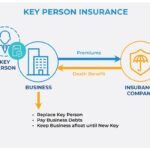
- Key Person Insurance: For significant loans, lenders may require life insurance on the business owner, with the lender listed as the beneficiary. This ensures repayment in the event of the owner’s death.
- Business Interruption Insurance: Having this policy signals to lenders that you have a safety net, making you a lower-risk borrower.
Understanding the Costs: APR vs. Factor Rates
One of the most confusing aspects of bad credit business loans is the pricing model. You will rarely see a standard “Interest Rate.” Instead, you will encounter Factor Rates.
Decoding the Factor Rate
A factor rate is a decimal figure, typically between 1.1 and 1.5.
- Example: You borrow $10,000 with a factor rate of 1.3.
- Calculation: $10,000 x 1.3 = $13,000.
- Total Payback: You owe $13,000.
Unlike an APR, this cost is fixed. Paying it off early does not save you money unless the contract explicitly states “no prepayment penalty” or “prepayment discount.”
Financial Advice: Always use a business loan calculator to convert factor rates into an annualized APR. A 1.3 factor rate over a 6-month term can equate to an APR of over 60%. If the APR exceeds the potential ROI of the project you are funding (e.g., a marketing campaign or new equipment), the loan is a net negative for your business.
Strategic Alternatives to High-Interest Loans
If the APRs of the lenders above are prohibitive, consider these high-value alternatives that leverage other assets or legal structures.
1. 401(k) Business Financing (ROBS)
A Rollover for Business Startups (ROBS) allows you to tap into your retirement funds tax-free and penalty-free to fund your business.
- Pros: No debt, no interest payments, no credit check.
- Cons: Risks your retirement nest egg. Requires complex tax administration and compliance with IRS rules.
2. Invoice Factoring
If you have outstanding B2B invoices, you can sell them to a factoring company.
- Mechanism: You get 80-90% of the invoice value immediately. The factor collects from your client.
- Credit Check: They check your client’s credit, not yours. This is ideal for B2B service providers with bad personal credit but blue-chip clients.
3. Corporate Credit Cards
High-limit business credit cards often offer 0% introductory APRs for 12-18 months.
- Strategy: This acts as an interest-free loan. However, failing to pay the balance before the promo period ends can trigger retroactive interest.
- Eligibility: specialized cards exist for “fair” credit, often secured by a deposit that earns interest.
Step-by-Step Guide to Applying in 2025
To maximize your chances of approval and secure the lowest possible “risk premium” on your rate, follow this protocol.
Phase 1: The Documentation Audit
Before applying, gather the following. Missing documents is the #1 reason for rejection.
- 3-6 Months of Business Bank Statements: PDF format, no screenshots.
- Tax Returns (Business & Personal): Last 2 years.
- P&L Statement: Current year-to-date.
- Legal Documents: Articles of Incorporation, Business License, and proof of commercial liability insurance.
Phase 2: Credit Triage
- Dispute Errors: Use a credit monitoring service to find inaccuracies on your Experian or Equifax report. Disputing an old, paid-off lien can bump your score 20 points in 30 days.
- Utilization: Pay down credit card balances to below 30% utilization before applying.
Phase 3: The Application Strategy
- Don’t “Shotgun” Applications: Applying to 10 lenders at once triggers multiple hard inquiries, damaging your score.
- Use a Marketplace: Platforms like Lendio or Nav allow you to fill out one application and receive soft offers from multiple lenders without a hard credit pull until you accept an offer.
Legal & Tax Implications of Defaulting
It is imperative to understand the gravity of unsecured debt. “Unsecured” does not mean consequence-free.
- The Personal Guarantee (PG): Almost all bad credit business loans require a PG. This legal clause allows the lender to pursue your personal assets (car, home, savings) if the business cannot pay.
- UCC Liens: Lenders may file a Uniform Commercial Code-1 (UCC-1) financing statement. This puts a lien on your business assets. If you try to get a second mortgage or sell the business, this lien must be satisfied first.
- Confession of Judgment (COJ): Some aggressive lenders include a COJ clause, where you essentially waive your right to a legal defense in court. Avoid these loans at all costs. Consult a litigation attorney if you are unsure if your contract contains this.
Forecasting 2026: The Future of SME Lending
As we look toward 2026, the integration of Embedded Finance will likely make traditional loan applications obsolete. Platforms like Shopify, Stripe, and Amazon already offer pre-approved capital based on sales history. The “application” is simply clicking a button.
However, for off-platform businesses, the reliance on Open Banking data will increase. This means granting lenders read-only access to your bank accounts will be mandatory. While this raises data privacy concerns, it is the trade-off for speed and accessibility.
Final Verdict
Securing an unsecured business loan with bad credit in 2025 is not only possible; it is a streamlined, competitive market. The key is to view these loans as short-term bridges, not long-term crutches. Whether you choose the flexibility of Bluevine, the speed of Fundbox, or the diversity of Credibly, ensure your business plan has a clear path to ROI that exceeds the cost of capital.
Prioritize your financial hygiene: keep your business insurance active, consult with tax professionals regarding interest deductibility, and maintain impeccable bank records. In the high-stakes world of small business finance, data is your most valuable currency.